
Top Brands for Shower Pumps: What You Need to Know
Top Brands for Shower Pumps: What You Need to Know When it comes to enhancing your shower experience, the right shower pump can make all the difference. With numerous brands on the market, it’s essential to understand which ones stand out for their quality, reliability, and performance. Here’s a closer look at some of the top brands for shower pumps and what you need to know about them. 1. Stuart Turner Stuart Turner is a well-respected name in the shower pump industry, known for its extensive range of high-quality pumps. Their products, such as the Showermate, are designed to provide a powerful shower experience, making them ideal for single applications in homes with low water pressure. Stuart Turner pumps are particularly favored for their durability and efficiency, ensuring that you get a consistent flow of water without compromising on performance. Positives: Durability: Built to last with robust materials. Performance: Offers excellent water pressure and flow rates. Variety: A wide range of models to suit different needs. Negatives: Price: Generally on the higher end, which may not suit all budgets. Installation: Some models may require professional installation, adding to the overall cost. Average Price: Prices typically range from €175 to €450, depending on the model and specifications. 2. Grundfos Another leading brand is Grundfos, recognized for its innovative technology and energy-efficient designs. Grundfos pumps are engineered to boost water pressure effectively, making them suitable for various applications, including showers, baths, and even whole-house systems. Their commitment to sustainability and performance makes them a popular choice among homeowners looking to upgrade their plumbing systems. Positives: Energy Efficiency: Designed to reduce energy consumption. Quiet Operation: Many models operate quietly, enhancing the shower experience. Reliability: Known for long-lasting performance. Negatives: Complexity: Some users find the installation process complicated. Cost: Higher initial investment compared to some other brands. Average Price: Grundfos pumps usually range from €220 to €550, depending on the model and features. 3. Salamander Salamander is known for producing a range of reliable and quiet shower pumps. Their products cater to different needs, whether you require a positive or negative head pump. Salamander pumps are designed to be user-friendly and are often praised for their ease of installation and maintenance. This brand is a great option for those who prioritize a peaceful showering experience without the noise typically associated with pump operation. Positives: Quiet Operation: Designed to minimize noise during operation. User-Friendly: Generally easy to install and maintain. Versatility: Offers both positive and negative head pumps. Negatives: Performance: Some models may not provide as much pressure as competitors. Limited Range: Fewer options compared to larger brands. Average Price: Salamander pumps typically cost between €90 and €270. 4. Bristan For those on a budget, Bristan offers excellent value without sacrificing quality. Their ST PUMP15TN model is particularly noted for its affordability and effectiveness in gravity-fed systems. Bristan pumps are a great choice for homeowners looking to enhance their shower experience without breaking the bank. Positives: Affordability: Competitive pricing makes it accessible for budget-conscious consumers. Simplicity: Easy to install, making it a good choice for DIY enthusiasts. Decent Performance: Provides satisfactory water pressure for most applications. Negatives: Durability: May not be as long-lasting as higher-end brands. Limited Features: Fewer advanced features compared to premium brands. Average Price: Prices range from €80 to €220, making it one of the more affordable options. 5. Monsoon Monsoon shower pumps are designed for high performance and are particularly effective in boosting water pressure in larger homes. They are known for their robust construction and reliability, making them a favorite among those who require a powerful shower experience. Monsoon pumps are versatile and can be used in various plumbing configurations, ensuring compatibility with most systems. Positives: High Performance: Excellent for boosting water pressure in multiple outlets. Robust Construction: Built to withstand heavy usage. Versatile Applications: Suitable for various plumbing configurations. Negatives: Noise Level: Some models can be noisier than others. Higher Cost: Generally more expensive than entry-level options. Average Price: Monsoon pumps typically range from €175 to €450. Choosing the Right Shower Pump Choosing the right shower pump can significantly enhance your showering experience. Brands like Stuart Turner, Grundfos, Salamander, Bristan, and Monsoon each offer unique advantages and disadvantages. By considering factors such as performance, noise level, installation complexity, and price, you can select a pump that best fits your needs and budget. Conclusion At Dublin Shower Pumps, we specialize in the installation and replacement of top-quality shower pumps. Our team provides expert advice and professional services to help you choose the right pump for your home. Whether you’re upgrading an existing system or installing a new one, we’re here to support you in making an informed decision for a more enjoyable shower experience.
How to Prevent Airlocks in Your Shower Pump System | Dublin Shower Pumps
South Side 01 493 7290 North Side 01 548 9868 HOME AREAS COVERED SERVICES Showers Pumps Shower Pump Replacement Shower Pump Installation Electrician Dublin BLOG CONTACT US HOME AREAS COVERED SERVICES Showers Pumps Shower Pump Replacement Shower Pump Installation Electrician Dublin BLOG CONTACT US Call Now ChatGPT said: Prevent airlocks in shower pump systems by ensuring proper installation, maintaining consistent water levels, and regularly bleeding trapped air. Airlocks occur when air pockets block water flow, reducing pressure and pump efficiency. According to the Chartered Institute of Plumbing and Heating Engineering (CIPHE), correct pipe gradients and regular maintenance are essential to prevent air entrapment and prolong pump lifespan. How to Prevent Airlocks in Shower Pump Systems The showering pump system should be efficient to provide good pressure and give comfortable showering. However, airlocks in the pump or the pipes hinder water flow and can be very inconvenient causing a lot of performance issues. As for the problems with water pressure, Dublin Shower Pumps supplies professional solutions to these problems. In this Blog let me explain what the causes of Airlock are, what it does, and how we can avoid it. Understanding Airlocks in Shower Pump Systems Airlocks are usually caused by air being locked either in the water pipes or in the air pump so that water cannot pass through regularly. As shower pumps are designed for water supply, even a tiny leakage of air can interrupt the work of the pump. What Causes Airlocks in Shower Pump? Incorrect Installation: If it is poorly positioned to the shower pump or pipes then it has areas where air can build up. Low Water Levels: If the water tank supplying the pump runs low, air can be drawn into the system. Sudden Water Supply Interruptions: Sudden changes in water supply, for instance during repairs, the air enters into the pipes and the pump system. Improper Priming: If, after the installation or maintenance, the proper priming has not been carried out, then air will be locked inside. How airlocks affect your shower pump. Reduced Water Pressure: Airlocks prevent water from flowing evenly or with low pressure – an issue that shower pump installation was supposed to solve. Pump Damage: If operations continue with airlocks, it will heat the pump and cause mechanical wear. Noisy Operation: The air present in the system causes sounds like rattling or gurgling when the pump is on. Increased Energy Use: An airlocked pump needs to work harder to provide adequate water pressure and therefore requires more energy. How Do I Know If My Shower Pump Has an Airlock? You can easily spot an airlock in your shower pump by watching for these signs: 🚿 Low or uneven water pressure – water flow weakens, pulses, or stops unexpectedly. 🔊 Unusual noises – humming, gurgling, or rattling sounds from the pump or pipes. ⚡ Pump runs without water flow – the unit activates even when no taps are on. 💧 Intermittent spluttering – air spits out of the showerhead before steady water flow. 🧰 Frequent cycling – the pump turns on and off repeatedly for short bursts. If these issues appear, air is likely trapped inside your system. Our Dublin Shower Pumps team can bleed the lines and restore proper pressure safely. Simple Steps to Avoid Airlocks in Shower Pumps To avoid potential problems with your shower pump, you need to take measures. Here are expert tips from Dublin Shower Pumps: 1. Ensure Proper Installation The most important aspect of using a shower pump is installation. Correct Positioning: Make sure that the pump is installed at the correct level from the source of water. For positive head pumps, the position of the water tank should be above the pump level. Negative head pumps, on the other hand, prove most suitable where the water tank is at a level with, or below, the pump. Angle the Pipes Appropriately: It is recommended to put the pipes at a slight angle that will make it hard for air spaces to develop. Avoid sharp or horizontal curves so that the air can’t be trapped in them. 2. Regular System Maintenance Regular checks help to identify any complications likely to occur, allowing for proactive action to be done on them before there is a major outbreak. Inspect the Pump and Pipes: Check for any damage or leaks where the air can penetrate the shower pump system. Clean the Filters: Clogged filters reduce the water pressure and may increase the chances of airlocks in the system. Regularly clean or replace the filters. Check Water Levels: Sufficient water supply in the tank must be maintained to avoid the air entering into the pipes. 3. Use Automatic Air Vents Automatic air vents are one of the dependable methods of eliminating air from the system. Install Air Vent Valves: These are valves that allow the trapped air to escape as water moves through the pipe system. Place them at high areas in the piping where you expect air to accumulate. Consider Pressure Relief Valves: Besides air vents, it is also important to use pressure relief valves to regulate the system and minimize air-related problems. 4. Prime the Pump Correctly Pump priming makes certain that there is no standing air inside the pump after its assembly or when in the process of repair. Fill the Pump with Water: Before starting the pump, manually fill it with water to expel any air. Follow Manufacturer Guidelines: Always follow the important instructions provided with the manufacturer guidelines to prevent the risk of airlock in the pumps. 5. Upgrade to a High-Quality Pump The upgraded high-quality pumps will prevent the airlocks. Choose Trusted Brands: Dublin Shower Pumps provides clients with an efficient shower with different pumps, and quiet and energy-saving showers that solve water pressure-related issues. Consider Pump Features: Look for features that have built-in air extraction mechanisms that eliminate trapped air. Troubleshooting Airlocks in Your Shower Pump System Nevertheless, sometimes, airlocks can develop. Here’s how to deal with them effectively: Turn Off the
The Impact of Water Pressure on Energy Bills: How Shower Pumps Can Help
Why a Shower Pump Could be the Solution for Homes in Dublin Are you asking yourself why your energy bills are rising? The water pressure of your home plays an important part in increasing your energy bills. In Dublin, no need to bother much about water bills, but energy bills are a different story. When electricity costs increase, people seek ways to minimize home energy usage. To tell the truth, you may find out that water pressure in your home significantly affects its energy consumption, particularly when taking a shower. The shower pump helps to boost the water pressure and provides faster, more efficient, and more consistent water pressure to the shower, importantly it consumes less power. Effect of pressure on energy consumption The water pressure determines how quickly water gets to your taps and showers. When the pressure is low, the electric showers and the boiler work harder to maintain the temperature of the water. This means: Showering becomes longer simply because it is longer to rinse. Electric showers and electric boilers are forced to work harder to maintain the water temperature. What Shower Pumps Do—and How They Save Energy Water pumps enhance the pressure of water which makes your shower deliver steady and strong water pressure. This isn’t just about making showers more enjoyable—it also means you can shower more efficiently: That makes a lot of sense because, with stronger water pressure, one doesn’t necessarily need to shower for longer periods and hence, uses less energy. The boiler or electric shower does not need to work as hard to maintain hot water, and it will reduce your electrical usage. In short, a shower pump is a perfect solution to make your home’s water flow and your shower more efficient and save money at the same time. Advantages of a Shower Pump to the DublinHomess Shorter Showers, Lower Energy Use: A good shower pump can help you to spend less time, without compromising on comfort. This is especially useful if you have an electric shower; each time you make hot water, you will be saving energy. Reduced Strain on Water Heating Systems: When the water pressure is low, boilers and electric showers work much harder to maintain temperature and water flow rates. Increased water pressure takes the strain off of doing that, making the overall system efficient. Better Shower Experience Without Increased Bills: When showering, the feeling receives a lot of value from a strong water flow. You don’t have to stay in the shower for long, and this is due to the boosted pressure; as a result, energy consumption is less. Why Dublin homeowners should consider getting a shower pump Most of the Dublin homes including those that are relatively old have low water pressure which affects convenience as well as utility bills. With the shower pump, you can solve several water pressure problems, shower faster, and save bills in the process. As water heating applies to a large extent to most household energy consumption, a shower pump is a useful addition to your home that can bring your electric bills under control. How to Select the Right Shower Pump If you’re interested in getting a shower pump, here are some points to keep in mind: Flow Rate: A higher flow rate results in high water pressure and, therefore more effective showering. Noise Levels: Some pumps are quieter than others and this is an essential aspect when one wants to ensure that bathroom noise is kept at minimum level. Pump Size: Choosing pumps of the correct sizes will provide your home water system with optimum performance and avoid unnecessary pressure on your pipes or appliances. Additional Tips to Increase the Water Pressure and Cut Energy Consumption Beyond installing a shower pump, here are a few other ways to improve water pressure and lower energy costs: Insulate Your Hot Water Pipes: This keeps the water warmer as it passes through, so the boiler doesn’t have to work so hard to maintain the heat. Fix Any Leaks: Even small leaks could reduce a shower to weak pressure and make the system work harder. Switch to an Efficient Shower Head: Modern advanced shower heads can provide firm pressure without using more water, thus making more efficient showers. Final Thoughts Now you know how water pressure affects our energy bills without our notice. Even for low-pressure water homes, having a shower pump can be the biggest relief as it can help take faster showers with more water flow while using less power. Installing a shower pump in your home could be the best way to save energy and at the same time get a better shower experience each day. Whether you are planning to fit a new shower pump or require a brand new shower pump replacement in Dublin, Dublin Shower Pumps has got you covered. We have been offering the best services for over 23 years with the latest market trends and hence to meet your needs. Please do not wait to call us for a consultation or to set a date for your installation. You can reach Dublin Shower Pumps through the phone by calling +353 86 374 8000, or through our website to learn more about our services. Discover a new level with a shower pump installation and let us turn your shower into the spa experience it should be!
Benefits of Professional Shower Pump Installation Services in Dublin
Benefits of Professional Shower Pump Installation Services in Dublin Office Admin October 30, 2024 Benefits of Professional Shower Pump Installation Services in Dublin Every morning shower makes you frustrated with weak water pressure. Are you thinking about increasing the water pressure? Installing a shower pump makes things different. The installation process can be complicated but choosing to hire a professional shower pump installer can save you time and reduce your stress. Why is it best to hand over the installation part to a professional? We will discuss. 1. Guaranteed Quality and Expertise Professional installers have more experience with the job especially with the homes with the old plumbing setups. DIY installations on these types of homes will be challenging. However, the professionals are well-known about various plumbing systems available around the city and they know the best way to install them based on the home’s requirements and the existing plumbing system. 2. Compliance with Irish Plumbing Regulations In the country, all installations must comply with the safety and water usage regulations. The professional installers are up to date on these kinds of requirements and they ensure your new installations meet the required standards. This will provide you the peace of mind and also help to avoid any legal or safety issues. 3. Customised Solutions for Dublin’s Hard Water The minerals in the Hard water can build up in the shower pump which can affect the performance and longevity of the shower pumps. Professionals know how to prevent these kinds of problems by recommending water treatments like softeners to protect the shower pump. These solutions will increase the water quality and ensure your shower pump will last longer. 4. Efficient and Time-Saving Process The DIY projects are commonly done with trial and error. However, a professional installation ensures a quick and efficient setup. They have the tools, training, and techniques. They are experienced in doing this work. So it is always better to leave the job with the professionals and you can avoid the struggle with unfamiliar equipment and instructions. 5. Prevent Costly Mistakes and Future Repairs DIY installations can lead to unintentional mistakes like improper pump placement, Insecure connections, and incompatible pumps. These errors can lead to poor performance, leaks, noise, and sometimes pump failure. Professionals know how to avoid these common mistakes and they help you to avoid the costly repairs 6. Post-Installation Support and Warranty Protection Professional shower pump installers provide post-installation support and maintenance services. This is crucial when you find any issue, the professional can quickly address the problem. Professional installations often come with warranties on both thelaborr and the shower pump. It will give you additional protection and peace of mind. If any issue arises, the professional can assist without incurring extra charges. 7. Noise Reduction Expertise The most common complaint after shower pump installation is noise when they operate. Experienced installers know the tricks to reduce the noise from installing aanti-vibrationpads to positioning the pump in a soundproof location. With professional installation, your shower can operate more quietly and minimize the disruption to your household. 8. Enhanced Water Pressure for a Better Shower Experience The main benefit of installing a shower pump is to enjoy improved and consistent water pressure. The professional installer ensures the water pump is optimized to deliver the best possible water pressure to all your bathrooms. Conclusion The professional shower pump installations not only ensure your water performance but also the protection of your home and investment. When you choose the trusted Professional installer, you are ensuring your shower pump will serve you efficiently and effectively for a long. Ready to upgrade your shower experience? Reach out to Dublin shower pumps, we have been providing shower pump installation and replacement for over 23 years around Dublin. Contact us for a free quotation. Click here for more related articles. Office Admin Writer & Blogger All Posts 2 Comments JessNovember 2, 2024 at 7:52 am | Edit Your blog is a testament to your expertise and dedication to your craft. I’m constantly impressed by the depth of your knowledge and the clarity of your explanations. Keep up the amazing work! Reply AdminNovember 3, 2024 at 7:54 am | Edit Thank you! Reply Leave a Reply Cancel reply Logged in as Office Admin. Edit your profile. Log out? Required fields are marked * Message* Previous PostNext Post
The Importance of Proper Shower Pump Maintenance After Replacement
The Importance of Proper Shower Pump Maintenance After Replacement Office Admin October 23, 2024 The Importance of Proper Shower Pump Maintenance After Replacement The new shower pump will provide you with efficient and sufficient water pressure. A new shower pump makes a difference if you have been struggling with low water pressure. Like all electrical appliances, the shower pump also requires regular maintenance to ensure it is always performing best. Let’s see why proper maintenance of the shower pump is so important. 1. Extend the Lifespan of Your Pump A new shower pump can instantly boost the water pressure, failing to maintain the water pressure significantly shortens its lifespan. Regular Maintenance prevents small issues from leading to major issues that could cause premature failure. By doing a few simple steps you can extend the life of the pump. 2. Maintain Optimal Water Pressure Shower pumps play an important role in maintaining consistent water pressure. The blockages in the shower pump can affect the efficiency of the pump over time. By regular cleaning, the pump will ensure the water pressure remains strong and reliable. Without proper care, you will find a decline in performance and, a drop in water pressure. 3. Prevent Costly Repairs Minor issues like leaks, strange noises, or overheating can quickly turn into major issues if not addressed. Routine maintenance of shower pumps helps you to identify the issues early on before they lead to costly repairs. 4. Energy Efficiency A well-maintained shower pump runs efficiently and uses less energy. The clogged pumps with debris consume more energy and use harder to give the same level of water pressure. These will increase the energy bills. By keeping the pump clean from obstructions, you can maintain its efficiency and reduce energy consumption over time. 5. Ensure a Quiet Operation Air lock and Debris can contribute to the pump making noise. The airlocks and debris will be removed during the maintenance and keep the pump running smoothly and quietly. 6. Reduce the Risk of Leaks Regularly checking the pump and pipe connections to ensure everything is connected and sealed properly. It helps to identify the leaks or drips early. Early detection and repair can avoid costly water damage. Shower Pump Maintenance Tips We understand why the proper maintenance of the shower pump is so important. Here are a few practical tips to keep your shower pump in excellent condition Regular Cleaning: Clogged filters can affect the water flow. So regularly clean the pump filters and check for any blockages in the filters. Check for Airlocks: Regularly bleed the pump to remove any airlocks in the pump. Airlock can reduce the efficiency and may make more noise. Check for Leaks: Regularly check the pump and its connections for any signs of leaks. If you find any leaks, fix them immediately to prevent further damage. Check the Water Pressure: Check your water pressure frequently, If you find a sudden pressure drop may indicate an issue with the pump that requires attention. Service Your Pump Annually: It is good to do a pump service by a professional once a year to find any potential issues and make sure everything is working well. Conclusion A new shower pump can provide excellent water pressure. To keep that running efficiently for a long time you should take care of your shower pump. Regular maintenance not only prevents costly repairs but also keeps your water pressure consistent and efficient. If you are unsure about the maintenance, It is best to consult a professional. At Dublin Shower Pump, we provide expert services for shower pump installations and replacements. Contact us today to know more. At Dublin Shower Pumps Our technicians are skilled and certified. Over two decades we have been providing top-notch services on install and replacement of shower pumps to customers based on their needs. Customer satisfaction is our top priority. Office Admin Writer & Blogger All Posts Leave a Reply Cancel reply Logged in as Office Admin. Edit your profile. Log out? Required fields are marked * Message* Previous PostNext Post
How to Replace a Shower Pump: DIY Steps & When to Call a Plumber
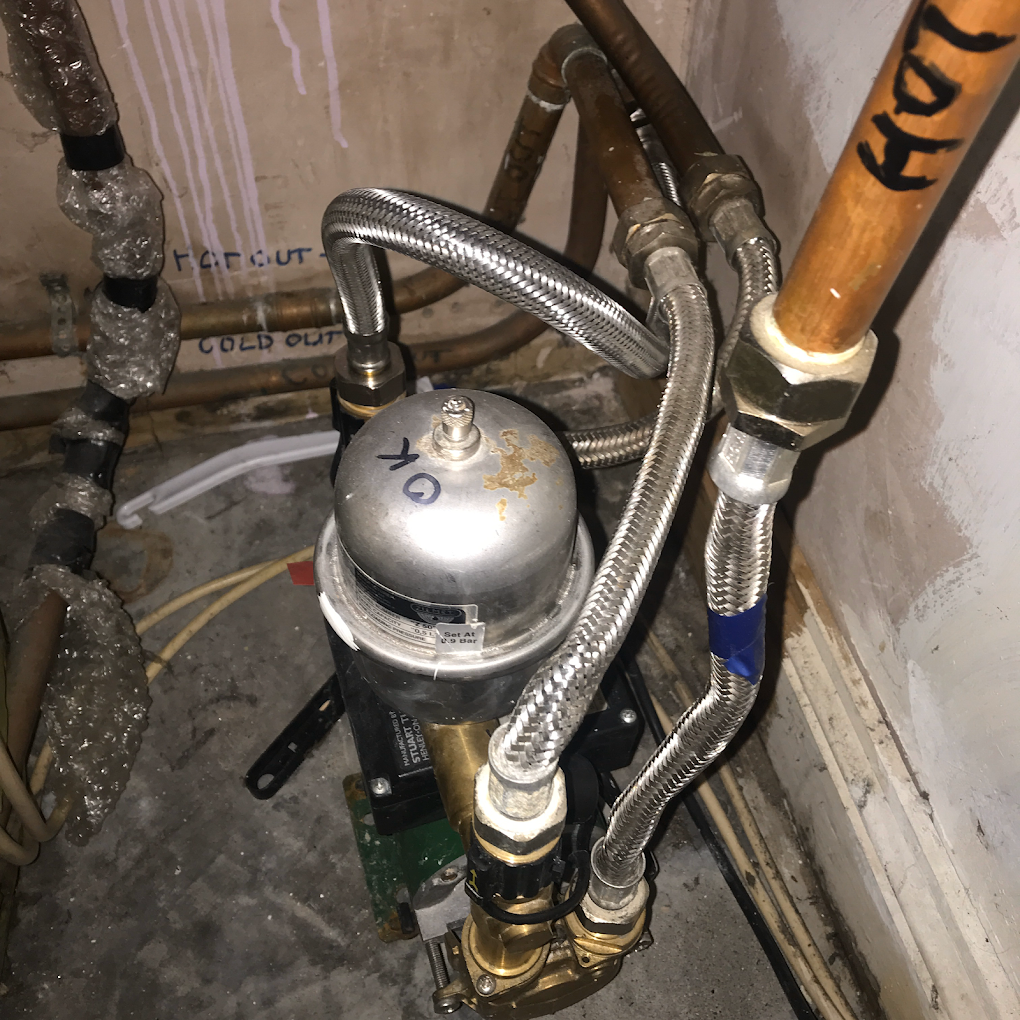
How to Replace a Shower Pump: DIY Steps & When to Call a Plumber Office Admin October 16, 2024 A faulty shower pump can lead to poor water pressure, loud noises, or a shower that stops working altogether. While replacing a shower pump is possible for experienced DIY homeowners, it isn’t always necessary. In many cases, the problem could be caused by an airlock, blocked filter, faulty flow switch or worn flexible hose. This guide explains how to replace a shower pump safely, the tools you’ll need, common mistakes to avoid, typical replacement costs in Dublin, and when it’s better to call a professional plumber. Whether you’re replacing a Stuart Turner, Salamander, Grundfos or another shower pump, the steps below will help you understand the process. Shower pump replacement involves removing a faulty or noisy unit and installing a new pump to restore proper water pressure. Professional replacement costs vary depending on pump type and pipework layout. Replacing a shower pump usually takes 2–4 hours for a qualified plumber. While some experienced DIY homeowners may attempt it, the job involves plumbing connections and electrical isolation, so professional installation is often recommended to ensure safety and protect the manufacturer’s warranty. Below, we explain how shower pump replacement is done step by step — and when it may be safer to call a professional. If your existing pump has failed completely, our Shower Pump Replacement Dublin service can supply and install a suitable replacement across Dublin. How Do You Know Your Shower Pump Needs Replacing? Many shower pump problems can be repaired without replacing the whole unit. Signs your shower pump may need replacement include: ✔ Pump won’t start ✔ Pump runs continuously ✔ Loud grinding or rattling noise ✔ Burning smell ✔ Water pressure keeps dropping ✔ Frequent electrical trips ✔ Water leaking from the motor housing If your pump is only making occasional noise or losing pressure, it could simply have an airlock or blocked inlet filter. Can a Shower Pump Be Repaired Instead of Replaced? Many homeowners assume a faulty shower pump must be replaced immediately, but this isn’t always the case. Certain faults can often be repaired without replacing the entire unit. Common repairable faults include: Blocked inlet filters Faulty flow switches Worn capacitors Airlocks in the system Damaged flexible hoses Non-return valve problems However, if the motor has seized, the bearings have worn out, or water has entered the electrical components, replacing the shower pump is usually the safest and most cost-effective option. A professional inspection can quickly determine whether a repair or replacement is the better investment. When You DON’T Need to Replace the Pump A complete replacement isn’t always the answer. In our experience, many pumps can be repaired by replacing inexpensive parts such as: Flow switch Capacitor Flexible hoses Inlet filters Non-return valves If the motor has seized, bearings have failed or water has entered the electrical components, replacing the entire pump is usually the safest long-term solution. Tools You’ll Need Adjustable spanner PTFE tape Screwdrivers Towels Bucket Voltage tester Isolation valve key (if fitted) Spirit level Torch for attic installations Step 1: Turn Off the Water and Power Safety first! Switch off the power to the shower pump. If you are unsure of the power supply location, it is usually connected to a fused spur near the pump or the main circuit breaker. Next, turn off the water supply to the shower pump. If isolation valves are installed, then turn off both hot and cold water lines. If you are unsure about the supply lines, then you need to shut off your home’s main water supply. If you’re unsure at any stage, it’s best to consult a qualified plumber. Professional Tip Always isolate the electrical supply before touching any pipework. Never rely solely on switching the shower off at the bathroom switch. Many pumps are connected through a fused spur located outside the bathroom. Step 2: Drain the Water System Before disconnecting anything, drain out any remaining water from the pipes to avoid a mess. Turn on the nearby faucet to release the water pressure and drain out the remaining water. Keep towels or a bucket to collect any extra drips. Step 3: Disconnect the Old Pump Before removing the pump, take a photo of the pipe connections and electrical wiring. This makes installation much easier if you need to reconnect the new unit in the same orientation. It is time to remove the old pump. Using an adjustable spanner or wrench, loosen the nuts connected to the pipes. Keep the towels nearby, bit of water may spill out when you do this. Once the pump is disconnected, unscrew any bolts or screws securing it in place. Gently remove the old pump and keep it aside for safe disposal. Step 4: Prepare the New Pump Before installing the new pump, check the instructions provided by the manufacturer. All pumps are not the same, so double-check any specific installation steps for your model. Wrap the threads on the pipe connections with the PTFE tape to create a watertight seal. It will reduce the chance of leaks. Step 5: Install the New Pump Carefully position the new pump in the correct mounting location. Align the inlet and outlet pipes with the existing system. Once you are positioned properly tighten the nuts and secure the connections using the spanners. Overtighten may damage the connections, so tight enough to prevent leaks. Before tightening the flexible hoses Ensure: ✓ Flow arrows point in the correct direction ✓ Pump is level ✓ Anti-vibration feet are installed ✓ Flexible hoses are not twisted Improper alignment is one of the most common reasons for noisy installations. Priming the Pump Before First Use Some shower pumps need to be primed before they can operate correctly. Follow the manufacturer’s instructions to remove trapped air from the system before switching the pump on. Running a shower pump without water can damage the internal seals and reduce its lifespan. Looking for
How Will You Know Which Shower Pump is Best for You?

How Will You Know Which Shower Pump is Best for You? Office Admin October 8, 2024 When it comes to creating the ideal shower experience, selecting the right shower pump can make all the difference. Low water pressure can turn a refreshing shower into a frustrating trickle, but the right pump can fix that problem and boost the water flow for a much better experience. With so many types of shower pumps in the marketplace, how to find which one is the best match for your needs?In this guide, we will discuss everything you need to know about shower pumps, Let’s get started. Understanding the water pressure in your homeThe first step in choosing the right pump is to understand your home’s current water pressure. The water level in your shower will be a key factor in determining which pump you need. How to check the water pressure:Using a pressure gauge: A pressure gauge is a small tool that measures the water pressure in your water taps. Check the pressure of the water. Once you know your water pressure, you can check for the type of Shower pump needed for your home. Types of Shower PumpsThere are several types of shower pumps, each one suitable for different situations. They are:1. Positive Head Shower Pumps: A positive shower pump relies on gravity to feed the water from your tank into the pump. This flow starts the impellers which pump the water to your shower.2. Negative Head Shower Pumps When the water tank is at the same level as the shower, or beneath it the negative head Shower pumps are needed. These pumps create a vacuum to pull water upwards. It will be perfect for homes with low water stress or old plumbing setups.3. Single Impeller Pumps: Single impeller pumps are designed to increase pressure on either hot or cold water shower systems.4. Twin Impeller Pumps: Twin Impeller Pumps are designed to increase pressure on both hot or cold water shower system Choosing the Right Shower Pump Based on Water PressureOnce you know the types of Shower pumps, it is essential to know the power of the pump as well.Low pressure: If your water pressure is particularly low (less than 1 bar), a more powerful pump will be necessary.High pressure: If your home has decent water pressure but you want an even stronger flow, a less powerful pump may be enough. Power of the PumpShower pump power is measured in bars, which is a unit of pressure. The higher the bar rating pup has more power. If you have low water pressure then you might need a higher bar-rated shower pump. Consider Noise LevelsSome shoer pumps make more noise than others. If you are looking for low-noise pumps then check for the pups labeled as “Quiet”. Twin impeller pumps are quieter than the single impeller models. Cost and Budget ConsiderationsPrices for shower pumps can vary widely based on type, power, and brand. It’s essential to balance your budget with the quality and performance you need. Installation ConsiderationsInstalling a shower pump can be done by yourself if you are confident in your plumbing skills. Otherwise, hiring a professional plumber is always a good idea. Also, placement is crucial: your pump should be close to the water tank and positioned correctly to avoid airlock issues. Energy Efficiency and Pump DesignIf you’re environmentally conscious or want to reduce your energy bills, look for pumps with energy-efficient designs. Some modern pumps consume less power without compromising performance. ConclusionChoosing the right shower pump based on your home’s water pressure, your needs, and your budget. With the right pump, you’ll enjoy a stronger, more enjoyable shower every day. Click here for more guidance on shower pumps or installation. FAQs1. How do I measure my water pressure? You can use a pressure gauge to measure water pressure. Anything under 1 bar typically needs a pump. 2. What’s the difference between positive and negative head pumps? Positive head pumps rely on gravity, while negative head pumps create a vacuum to boost flow. 3. Do I need a professional to install my shower pump? You can install it yourself if you’re experienced with plumbing, but professional installation ensures safety and efficiency. 4. What’s the quietest type of shower pump? Twin impeller pumps are usually quieter, especially models designed specifically for silent operation. Office Admin Writer & Blogger All Posts Leave a Reply Cancel reply Logged in as Office Admin. Edit your profile. Log out? Required fields are marked * Message* Previous PostNext Post