
4 Tips to Find a Tradesperson for Shower Pumps Installation
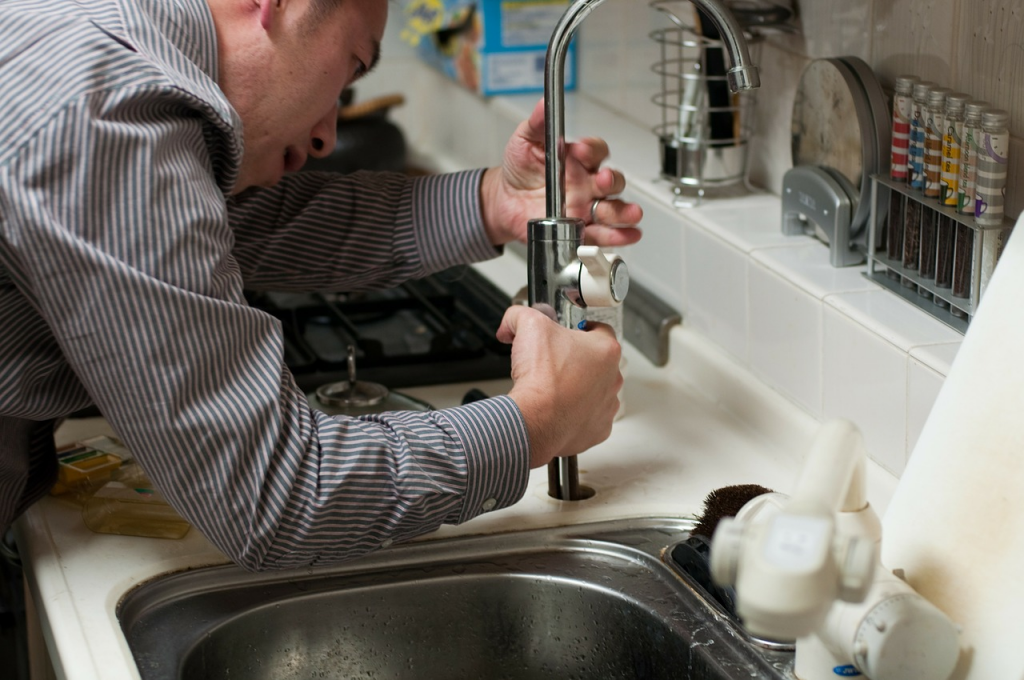
4 Tips to Find a Tradesperson for Shower Pumps Installation Admin November 3, 2024 Home renovation can be a daunting task and project you can ever decide. When planning to renovate a bathroom, make sure to consider things. These include bathroom electrical safety and plumbing. Electrical safety and plumbing are the main reason why you are hiring a skillful plumber. Dublin Shower Pumps can offer you, skillful bathroom fitters and plumbers. We guarantee they can help you and provide you with advice. #1: In Fitting an Electric Shower, a Certified Tradesperson should need? Those people working with fitting electric showers need to have a certification. They must skillful working with electrical devices for safety purposes. They should have the experience, particularly in building regulations. You might hear some tradespeople that discussing “Part P qualified.” Well, this only means that Part P is a registered as well as they have competent people who are a certified worker. The electricians should be self-certified their work, but plumbers are not obliged. Bathrooms fitting service provider must aware of their team’s skills. Particularly in electrical, plumbing and issues of tiling. #2: How to Select and Fit an Electrical Shower We have trusted brands and suppliers in Ireland that we can recommend to you such as mira showers Dublin. Here you can find lots of helpful advice in the following links: Mira and Triton Electric Showers – if you want to know further about electric showers this is ideal for you to read. Shower or Pump Installation Advice – if you need advice on what to focus on then this is helpful. If you want to know or explore all options when it comes to buying an electric shower, this post will guide you. #3: Another helpful guide when fitting an electric shower Another thing to consider installing the electric shower is how the bathroom differs. Well, the bathroom is different from other rooms we see in the house. Thus, you must ask qualified heating engineers in your local area for advice. #4: Get Multiple Quotes & Recommendations Before making a decision, request quotes from at least three different tradespeople. This will not only give you a sense of the market rate but also allow you to compare services offered. Be sure to discuss all aspects of the installation, including the type of shower pump, installation timeframes, and any warranties provided. Word-of-mouth recommendations can be invaluable. Talk to friends, family, or neighbors who have recently had similar work done. They can provide insights into their experiences and suggest trusted professionals. Don’t hesitate to ask for references from any tradesperson you’re considering, as this can help you assess their past performance. Are your questions answered? Finding the right tradesperson for your shower pump installation doesn’t have to be daunting. By researching local experts, checking qualifications, asking for recommendations, and obtaining multiple quotes, you can ensure that your installation is handled by a skilled professional. Investing time in this process will lead to a successful and efficient installation, enhancing your shower experience for years to come. If not and you still have several questions about any aspects of your bathroom, then ask one of our experts! They are willing to help. CALL OR VISIT US NOW. Leave a Reply Cancel reply Logged in as Office Admin. Edit your profile. Log out? Required fields are marked * Message* Previous PostNext Post
The Complete Guide to Shower Pump Installation in Dublin
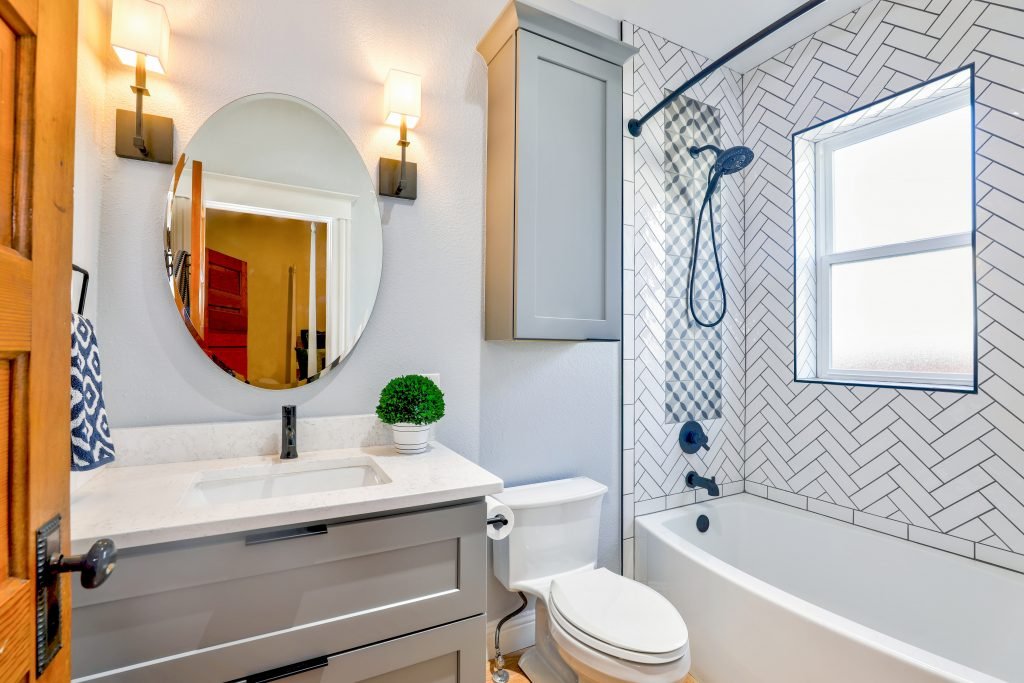
The Complete Guide to Shower Pumps Installation in Dublin Shower Pump Installation improves low water pressure in gravity-fed homes by boosting the flow of hot and cold water to your shower. Proper installation involves checking system head height, ensuring correct electrical wiring, using 22mm pipework, and fitting the appropriate flange to prevent airlocks. In Ireland, installation should follow national wiring and plumbing safety standards, and professional fitting is recommended for compliance and pump warranty protection. According to the Sustainable Energy Authority of Ireland (SEAI), well-installed water-boosting systems improve household efficiency and performance. A Homeowner’s Guide to Shower Pumps Installation in Dublin If your shower feels more like a slow drip than a refreshing spray, you’re not alone. Many homes in Dublin struggle with low water pressure, especially in upstairs bathrooms. That’s where a shower pump comes in. We’ve done shower pump installation in Dublin for years, and we know what works — and what doesn’t. In this guide, we’ll walk you through the basics of choosing and installing a shower pump, without all the technical jargon. Whether you’re upgrading your bathroom or just tired of weak water flow, we’ll help you understand what to check, what to avoid, and how to get it done right. Let’s dive in. 1. What Is a Shower Pump and Why Do You Need One? A shower pump is a small device that boosts the water pressure coming from your tank to your shower. It’s especially useful in homes with gravity-fed systems, where water struggles to flow strongly on its own. So, when should you consider installing one? If you’re noticing any of the following, it might be time: The shower pressure is weak or uneven Hot and cold water flows change suddenly Your upstairs shower is barely usable Adding a pump helps push water more forcefully through the pipes, giving you a steady, satisfying flow every time you turn on the tap. 🛠️ Need help choosing the right model? Check out our top brands for shower pumps guide — we’ve listed the most reliable ones we use in Dublin homes. 2. Checking Your Setup Before Installation Before we install any shower pump, we always check a few things first — and you should too. A little preparation goes a long way in avoiding problems later. First, you need to know what type of system you have. Most homes in Dublin with low pressure use gravity-fed systems, which usually require a positive head pump. For that to work properly, there must be enough distance (or “head”) between your cold water tank and the shower head — ideally about 2 metres. You can measure this from the bottom of your cold water tank to the showerhead level. Next, make sure your cold water tank is big enough. We recommend at least a 50-gallon tank, so the pump doesn’t run dry when in use. If the tank is too small, the pump could be starved of water, which may cause it to burn out or run noisily. Also, think about where the pump will be placed. It should be in a dry, frost-free location, like under the bath or inside an airing cupboard — but only if there’s enough airflow and access for future maintenance. 3. Safe Electrical Setup Safety first — always. A shower pump is an electrical appliance, so it needs to be connected properly. The pump should be connected to the main ring of your home’s electrical supply, using a 230v connection. Don’t connect it to the same circuit as your immersion heater or hot water cylinder — this could overload the system. Also, make sure the pump is placed at least 60mm away from the shower tray or basin, to keep it safe from splashes. If you’re not confident with electrical work, it’s always best to hire a qualified installer. Our team has handled shower pump installation in Dublin safely in all kinds of homes, from modern apartments to older houses. 4. Reduce Noise and Vibration One of the most common complaints we hear after a shower pump is installed? Shower Pump Noise. But the good news is, there are simple ways to keep things quiet. Start by sitting the pump on something solid. A concrete slab (around 50mm thick) or a dense building block works well to absorb vibration. This helps stop the noise from echoing through the floor or walls. Whatever you do, don’t screw the pump directly to the floor — that only makes things worse. You should also use the flexible hoses that come with most pumps. These not only make installation easier, but they help reduce vibration and prevent strain on the connections. Worried about rattling pipes or trapped air making things louder? You’re not alone. We’ve written a full guide on how to prevent airlocks in your shower pump — it’s worth a read before turning everything on. 5. Pipework and Flanges: Get It Right A good pump needs the right pipework to perform properly. We always recommend using 22mm pipework, even if your pump has 15mm connections. This reduces flow resistance and helps the pump work efficiently. Before connecting your new shower pump, flush the pipes. This gets rid of any debris or dirt that could damage the pump. You can do this by running a few buckets of hot and cold water separately through the pipes. Another important part? The flange. Use a Surrey flange if your pump has 15mm connections Use an Essex flange if it’s 22mm This helps direct the hot water supply cleanly into the pump and keeps air bubbles out — which is key for keeping things quiet and working smoothly. Finally, make sure you install full bore isolating valves on both the hot and cold water feeds. These let you turn off water to the pump without affecting the rest of the house — handy for maintenance or repairs. 6. Our Favourite Pump for Dublin Homes We’ve installed a lot of shower pumps over the years, and Stuart Turner
Compatible with all Stuart Turner models. Great for reducing vibration and pump noise. Simple, affordable upgrade for quieter operation.
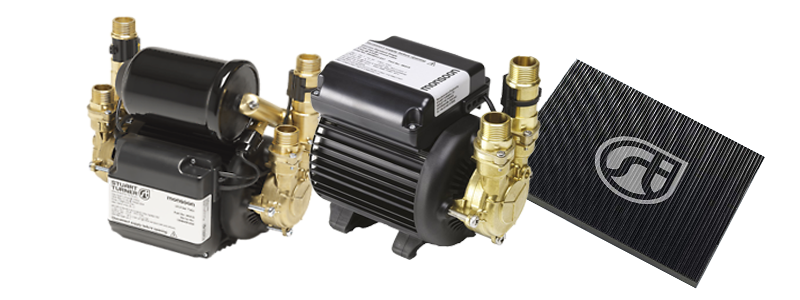
Admin October 8, 2025 Stuart Turner Shower Pumps: Expert Guide, Best-Sellers & Installation in Dublin Stuart Turner is a UK-based manufacturer renowned for producing high-performance shower and water pressure boosting pumps. Founded in 1906, the company specialises in precision-engineered solutions for residential and commercial water systems, including the popular Monsoon and Showermate ranges. Stuart Turner pumps are widely recommended by plumbing professionals for their reliability, quiet operation, and long lifespan. They support both positive and negative head systems, making them ideal for homes with varying pressure needs.Source: Stuart Turner Official Website Why Choose Stuart Turner Shower Pumps? When it comes to improving water pressure and shower performance in your home or business, Stuart Turner is one of the most trusted names in the UK and Ireland. Known for their quiet operation, exceptional build quality, and long-term reliability, Stuart Turner shower pumps are a top choice among plumbers, homeowners, and installers. At Dublin Shower Pumps, we’ve installed and repaired hundreds of Stuart Turner pumps across homes, apartments, and commercial properties. Whether you’re replacing a faulty unit or upgrading your water system, this guide will help you choose the right model and understand how professional installation can make all the difference. What Does a Shower Pump Do? A shower pump increases the pressure of water in your shower system. If you’re dealing with: Low flow rates Weak pressure in upstairs bathrooms Water trickling out instead of a steady stream A shower pump can solve the problem quickly and efficiently. Stuart Turner pumps are engineered to handle both positive head and negative head setups, making them suitable for a wide range of plumbing configurations. Services We Offer We don’t just sell pumps — we provide full-service solutions: ✅ Installation of new Stuart Turner pumps ✅ Diagnosis and repair of existing pumps ✅ Maintenance to extend pump lifespan ✅ Noise-reduction upgrades using anti-vibration accessories ✅ Advice on choosing the right model for your property All services are handled by certified engineers who understand Dublin’s unique water pressure challenges. Top 3 Best-Selling Stuart Turner Shower Pumps in Dublin Here are our most recommended Stuart Turner products based on real installations and customer feedback. 1. Monsoon Universal 2.0 Bar Twin Pump (Model 46480) ✅ Best For: Homes with standard plumbing that need a reliable boost to both hot and cold water. This twin impeller pump is ideal for boosting both hot and cold water in conventional vented systems. It’s particularly effective in: Showers with poor performance Properties with multiple bathrooms Loft conversions where gravity flow is limited Key Features: Boosts flow to showers, taps, and entire bathrooms Quiet operation with anti-vibration feet WRAS approved 5-Year Manufacturer Warranty Why we like it: It’s a great all-rounder with impressive durability and quiet operation — perfect for family homes. 2. Monsoon Universal 3.0 Bar Negative Head Single Pump ✅ Best For: Low pressure or negative head systems where water doesn’t flow naturally. This pump is designed for more demanding systems. It’s suitable for properties where: Outlets are higher than the water source Hot or cold water flows poorly due to pipe layout A combi boiler with a break tank is used Key Features: Automatically activates in low-pressure scenarios Single impeller boosts hot or cold water individually Very quiet despite high performance 5-Year Manufacturer Warranty Why we like it: This is a powerful yet quiet option that solves tricky pressure issues in apartments or converted properties. 3. Stuart Turner Anti-Vibration Pump Mounting Pad (Model 27124) ✅ Best For: Homeowners looking to reduce noise from any pump model. Even though Stuart Turner pumps are quiet, some homeowners still prefer an ultra-silent setup. This mounting pad reduces noise transfer to floors and walls. Key Features: Compatible with all Stuart Turner pumps Lightweight and easy to install Absorbs vibration from the motor Affordable upgrade for peace of mind Why we like it: It’s a simple add-on that makes a noticeable difference in sound reduction — great for bedrooms or ensuite installations. Do You Need a Stuart Turner Shower Pump? You may need a pump if you notice: Water trickling from your shower Significant pressure drops when more than one outlet is in use Noisy pipes or erratic flow Cold water overpowering hot water in your mixer shower We’ll inspect your system and recommend the best model — no pressure to buy. How Much Do Stuart Turner Pumps Cost in Dublin? Prices vary depending on the model and installation complexity. Here’s a general guide: Service Estimated Cost (incl. VAT) Monsoon Twin 2.0 Bar + Installation €675 – €950 Negative Head Pump Installation €750 – €975 Repair / Fault Diagnosis From €120 Anti-Vibration Pad Installation €45 – €65 Free Estimates 1-Year Workmanship Guarantee Manufacturer Warranty Supported Why Choose Dublin Shower Pumps? 🧰 20+ years of plumbing and pump expertise 👷 RGI-registered engineers only ⭐ 5-Star rated on Google and local directories 📍 Local knowledge — we understand Dublin’s plumbing infrastructure 📞 Fast response — usually same-day or next-day appointments available We’re not just resellers — we’re plumbers who work with these pumps every day. FAQ – Stuart Turner Shower Pumps Are Stuart Turner pumps noisy? No, they’re known for their quiet operation. Adding a mounting pad can make them nearly silent. How long do they last? With proper installation and maintenance, 8–10 years is typical. Can I install one myself? We strongly recommend using a qualified plumber. Incorrect installation may void your warranty. Are they compatible with all showers? Yes, they’re available in various models (positive/negative head, single/twin) to suit almost all setups. Ready to Boost Your Water Pressure? Whether you need expert advice, repair, or installation, we’re here to help. Call Now: 086 374 8000 Get a Free Quote Service Area: Dublin & nearby counties Written by the Dublin Shower Pumps team We’re experienced plumbing engineers serving the Dublin area for over two decades. Our team is certified and trained in Stuart Turner installations. You can trust us to give expert, honest advice based on your home’s needs. 2 Comments Polish NewsMay 13,
Installing Stuart Turner Pumps: 3 Smart Options
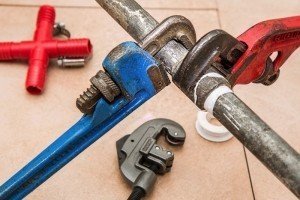
3 Ways to Consider Installing Stuart Turner Pumps Admin August 20, 2025 Whether which area you live, there may not be a long months each year where your home need a regular cooling or constant heat. This is actually a necessity especially in Dublin, however the yearly temperature changes indicating we need both. Thus, most of us prefer to have a heat pump designed for warming your home during winter months and cooling them during summer. Also, there are heat pumps that are designed for showers such as stuart turner pump for cooling or heating your water instead. Furthermore, we provide you some advantages of stuart turner pumps and the basic ideas how it works and install. #1: The Benefits of using Stuart Turner Shower Pumps This type of water pumps usually built to last, and gained a worthy name in the pump industry particular in manufacturing solid and well-built pumps. However, nothing “lasts forever” and pumps usually – comes the time that it need to be replace – the parts after 8 to 10 years maximum. It’s not that bad at all for a shower or water pumps! Nevertheless, do not worry since there are several home service provider that are capable of stuart turner pump repair as long as the motor is still okay. Tip: It is more practical to repair your shower or water pump instead of buying new that may cost you more or less €1000 for the pump and for the installation. When your stuart turner pump does not function well, it can be easily repair even in your own home. It takes usually less time to fix it than installing another expensive water pump. #2: Consider the Location When selecting a pump, you have to consider the installation place. Take note, pumps are more efficient when pushing instead of pulling water. And as much possible your pump must be installed on the floor next to the hot water cylinder. Note the consideration below: The pumps must be installed wherein it can easily access for servicing when necessary. Remember the air locks increase when the pump is placed vertically away from the hot water cylinder. Pumps that are placed in loft are prone of risk especially of frost damage so it should be sufficiently insulated. #3: How it Works When you decided on a pump for your specific requirement, you need to purchase and install it properly. And when you begin the process of installation, consider the steps below: Make sure the pump has a cold water supply which is separated from the cold water storage tank. If pump is designed to accept 15mm inlet pipe work, make the supply up to 22mm as possible. You can reduce down to 15mm to feed the pump and stepped back to 22mm. The isolation valves must be fitted first to allow for future maintenance When you install a pump by using copper piping and solder fitting. You should avoid flux contact on either plastic part because this can lead to plastic erosion overtime. Another reminder, all plumbing or electrical setup for equipments should be checked and installed by a competent Heating Engineer. What we have shared above is for general guidance. If you need further advice or information our skilled teams are happy to serve you! Leave a Reply Cancel reply Logged in as Office Admin. Edit your profile. Log out? Required fields are marked * Message* Next Post